
You Snooze, You Lose? A Comparative Analysis Leveraging Hypnagogia and Lucid Dreaming for Creativity Through Executive Control and Associative Processing
Abstract
Creativity is often conceptualized as a stable trait; however, emerging evidence suggests it is better understood as a dynamic process shaped by fluctuating cognitive states. This paper examines how creativity arises across altered states of consciousness, specifically hypnagogia and lucid dreaming, and proposes a cross-state framework in which creative cognition depends on shifts in the balance between associative and executive processes. Drawing on cognitive neuroscience and sleep research, hypnagogia is characterized as a low-control state that facilitates expanded associative processing and increased likelihood of insight through reduced executive constraint. In contrast, lucid dreaming involves partial reactivation of executive and metacognitive networks, enabling intentional manipulation, evaluation, and stabilization of internally generated content within a dream environment. While hypnagogia appears to support the generative phase of creativity through increased semantic flexibility, lucid dreaming may contribute to evaluative and refinement processes through increased cognitive control. Integrating findings from studies on semantic memory, default mode and executive network interactions, and sleep-state cognition, this paper proposes that creativity emerges from the interaction of these states across time rather than from any single optimal condition. A cross-state model is introduced in which hypnagogic, lucid, hypnopompic, and waking cognition form a temporally extended system for the generation, transformation, and consolidation of ideas. This framework challenges trait-based accounts of creativity and highlights the importance of state-dependent and transitional dynamics in creative cognition.
Keywords: hypnagogia, creativity, lucid dreaming, hypnopompia, N1 sleep, altered states, sleep onset, executive function, semantic flexibility, Default Mode Network (DMN), Executive Control Network (ECN)
Introduction
Creativity is rarely experienced as a constant mental ability. Ideas often emerge unpredictably, appearing more easily in some moments than in others, particularly during unusual states of awareness in which thought becomes less constrained by ordinary patterns of attention and control. Experiences occurring in transitional states of sleep are especially valuable in this regard. Throughout history, artists, writers, and scientists have described vivid images, unexpected associations, and moments of insight arising during these moments between waking consciousness and sleep, suggesting that creative cognition may depend partly on the shifts in conscious state, rather than solely on stable individual traits.
Recent research in cognitive neuroscience and sleep science has begun to support this possibility by showing that altered states of consciousness modify the interaction between associative and executive processes involved in creative thinking. Dream-related states are particularly relevant because they combine internally generated imagery with changes in attention, self-awareness, and cognitive control. Within this domain, different stages of the sleep-wake boundary offer distinct cognitive conditions that may shape creative processes in different ways. Two states illustrating this contrast are hypnagogia and lucid dreaming. Hypnagogia, the transitional phase between wakefulness and sleep, is characterized by fleeting, often involuntary imagery and a reduction in executive control. In contrast, lucid dreaming involves awareness of the dream state itself, allowing for varying degrees of reflection and intentional influence within an immersive dream environment. These differences suggest that each state may support creativity through distinct mechanisms, rather than one serving as a uniformly superior condition.
With an aim to achieve an optimal state of creativity, this study examines hypnagogia and lucid dreaming as complementary cognitive environments, comparing the thought processes they facilitate to explore how creative potential emerges from the interaction of spontaneous and controlled mental processes. Rather than asking which state is better for creativity, the central argument is that creativity depends on the dynamic interplay between these states across time. This paper proposes a cross-state framework in which hypnagogic, lucid, hypnopompic, and waking cognition form a temporally extended system in which ideas are generated under low executive constraint, then carried forward, shaped, and stabilized as control progressively returns. This reframes creativity from an inherent trait to a process distributed across shifting cognitive states, positioning the sleep-wake boundary as a structurally significant, underexplored, zone of creative cognition.
Critical Literature Review
Creativity and Altered States
Creativity is commonly defined as the ability to generate novel and useful ideas (Beaty et al., 2016); however, the current paper frames it as the connection between remotely related concepts (Herault et al., 2024), emphasizing semantic flexibility and greater associative distance. This framing is preferred because it maps more directly onto the cognitive mechanisms being analyzed, rather than just requiring a judgement about usefulness, which is context-dependent and difficult to operationalize. High-creativity individuals are shown to have more flexible semantic memory networks, produce more uncommon associations, and, as a consequence, perceive distant concepts as related (Herault et al., 2024). Semantic flexibility can be operationalized using semantic network analyses, allowing approximate measurement of associative breadth (Beaty & Johnson, 2021). The creative process involves semantic flexibility and the ability to traverse greater associative distance, reflecting an expansion of associative space in which a broader network of conceptual links is activated. This emphasizes generative processes, yet evaluation and refinement remain critical components of creativity often underexamined in these frameworks (Press et al., 2020).
Creativity is not a single process, it emerges from the interaction between multiple brain networks. On one hand, the default mode network (DMN), focusing on idea generation and memory retrieval, and on the other hand, the executive control network (ECN), functioning for evaluation, constraint, and goal-directed thinking (Beaty et al., 2016). The interaction is dynamic, not static. This aligns with broader frameworks of spontaneous and controlled cognition, where internally generated thought interacts with deliberate constraint to shape creative output (Press et al., 2020). Together, these systems support the view of creativity as a synergy between spontaneous and controlled cognition. While associative processes generate possibilities, executive processes filter, select, and refine them. This interaction posits creativity as process-based rather than simply an outcome, and dependent on coordination between systems rather than extremes.
Creativity is difficult to measure objectively. Traditional approaches, such as divergent thinking tasks assess fluency, originality, and flexibility. More recent approaches conceptualize creativity in terms of semantic distance, where creativity is operationalized as the distance between concepts, such that the connection of less related ideas are considered more creative (Beaty & Johnson, 2021). Semantic network approaches provide a more precise measurement of associative structure, capturing how individuals navigate conceptual space rather than simply how many ideas they produce. Neural correlates (Herault et al., 2024) further demonstrate how semantic distance is associated with patterns of brain activation, linking behavioral measures of creativity to underlying cognitive mechanisms. However, these approaches still primarily capture outcomes of creative cognition rather than the processes that generate them.
Trait bias is prominent in the literature as creativity is often treated as a stable individual difference, overlooking within-person variation across cognitive states. While the dual-process model posits that creativity emerges from a balance between associative and executive processes, it does not fully account for how this balance may shift under different conditions (Press et al., 2020). In particular, existing work does not sufficiently examine what occurs when one process dominates or when this balance is disrupted. Moreover, measures such as semantic distance and divergent thinking capture the outcomes of creative cognition but do not explain how different states, including sleep-related states, alter the underlying cognitive processes. Emerging experimental approaches begin to address this limitation by directly manipulating cognitive states, rather than inferring them from performance alone. Targeted Dream Incubation (TDI) methods such as Dormio, a technique that enables individuals to guide their dreams toward particular themes with the aim of boosting creativity or strengthening memory consolidation (Haar Horowitz et al., 2020) and remote dream incubation, in which prompts or cues are delivered to individuals during sleep from an external source to influence dream content (Bellaiche et al., 2024) provide experimental leverage to study these state-dependent effects. These developments suggest that creativity may be better understood as a state-dependent phenomenon, shaped by how spontaneous and controlled processes are configured at a given moment, rather than as a fixed trait.
Sleep onset states
Hypnagogia is the sleep onset (N1) state between wakefulness and sleep. It is a hybrid state, characterized by reduced external awareness alongside partial preservation of awareness of internal content, making it neither fully conscious, nor fully unconscious. It features spontaneous imagery, fragmented thought, and associative processing, reflecting diminished executive control, while retaining fragile meta-awareness (Ghibellini & Meier, 2023). Existing literature tends to emphasize phenomenology, focusing on imagery and hallucinations, rather than specifying the underlying cognitive mechanisms. This paper reframes hypnagogia in process terms, particularly through the contrast between executive control and associative processing.
Creativity appears to peak within a narrow cognitive window rather than across sleep more broadly. As one of the few studies focusing on hypnagogia’s relationship to creativity with relatively large samples, Lacaux et al. (2021) found that entering N1 for as little as 15 seconds tripled the probability of insight, with the effect disappearing if participants remained fully awake or transitioned into deeper sleep. The study operationalizes creativity strictly as insight problem solving, highlighting state-dependent facilitation of specific creative processes rather than general creative ability. However this also does not directly assess associative breadth or semantic distance, relying instead on behavioral outcomes.
Hypnagogia is characterized by reduced top-down constraint, allowing for integration of memory fragments and the formation of conceptually distant or non-linear associations (Haar Horowitz et al., 2020). This pattern reflects an expansion of associative space, involving broader activation across semantic networks, and reduced constraint on idea generation. However, much of the literature infers associative richness indirectly from subjective reports or task performance, rather than measuring associative structure itself, in contrast to approaches such as semantic distance metrics. During sleep-onset, logical monitoring weakens, yet individuals can still report thoughts when awakened, indicating low executive constraint coexists with fragile, partial meta-awareness (Haar Horowitz et al., 2020). While this state is often described as a loss of control, such characterization may be misleading; rather than a complete absence, it reflects a relaxation of control processes, allowing associative activity to proceed with fewer constraints (Beaty et al., 2016).
Haar Horowitz et al. (2023) further demonstrate that hypnagogic content can be externally biased through targeted prompts, leading to increased post-sleep creative performance. This finding challenges the notion that hypnagogia is purely spontaneous, instead suggesting that it is at least partially steerable in the absence of full executive control. This distinction is important for interpreting the low-control nature of hypnagogia. Rather than reflecting a uniform absence of regulatory capacity, the evidence points to a more selective relaxation of control processes. Executive filtering appears reduced to the extent that associative activity can proceed more broadly and with less centralized constraint, while still remaining sensitive to incoming signals, whether internally generated memory fragments or externally introduced prompts. Taken together, this implies that hypnagogic cognition is not simply passive or chaotic. Instead, it may operate in a regime in which the threshold for activation across semantic networks is lowered, increasing responsiveness to weak associative signals that would typically be suppressed under stronger executive prioritization.
A related but distinct transitional state, hypnopompia, occurs at the opposite end of the sleep cycle during the emergence from sleep into wakefulness. Despite its structural symmetry with hypnagogia, it has received substantially less empirical attention, and its cognitive profile remains largely uncharacterized. Preliminary evidence suggests that awakening involves a staged reactivation of executive systems, with prefrontal regions lagging behind the return of basic awareness, which would produce a transitional window with properties broadly similar to hypnagogia but in a different direction of cognitive change. Whether this directional difference matters for associative processing and creativity remains an open question, one this paper returns to in its discussion of future research.
Across these studies, creativity is primarily measured through insight tasks (Lacaux et al., 2021) or post-sleep performance outcomes (Haar Horowitz et al., 2023). What remains underexplored are direct measures of semantic distance, associative network structure, and how state-dependent shifts in executive control influence the generation versus evaluation of ideas. In response, this paper conceptualizes hypnagogia not simply as a creative state, but as a cognitive configuration defined by reduced executive control, expanded association, and heightened sensitivity to external prompts. This framework provides a more precise comparison with other states of consciousness, by situating hypnagogia along the continuum of spontaneous-to-controlled cognition.
Lucid dreaming and metacognitive control
Lucid dreaming is the state of being aware of dreaming during REM sleep. During this process, there is coexistence of dream imagery, reflective awareness, and volitional control. It is described as a hybrid state with features of both waking and REM sleep (Voss et al., 2009), where there is restored or elevated executive control within a dream context. Baird et al. (2019) provide a recent overview of the cognitive neuroscience of lucid dreaming, emphasizing the reactivation of prefrontal networks and metacognitive monitoring during lucidity. Rather than framing lucidity merely as hybrid consciousness, this paper conceptualizes it specifically in terms of executive control and metacognition, as with hypnagogia, situating it along a continuum of controlled versus spontaneous cognition.
Self-reflection, thought monitoring, and volitional control are characteristics associated with increased activation in prefrontal regions (BA9/10), compared to non-lucid REM, in which executive functions are diminished (Baird et al., 2019). This pattern indicates that lucidity involves partial reactivation of executive functions rather than complete restoration of waking control. The evidence points to selective reactivation rather than complete executive functioning, creating conditions for altered, but not fully regulated, cognition.
Dream content remains bizarre, associative, and internally generated, yet increased control induces goal-directed thinking and intentional manipulation of content (Baird et al., 2019). This indicates that associative processing is present but constrained, relative to non-lucid REM. Compared to states of reduced control, such as hypnagogia, associative space may be narrower, as spontaneous mind-wandering is reduced and executive control imposes structure. The common assumption that dream bizarreness reflects associative richness is insufficient, as it does not account for how top-down control and higher-level cognitive processes may reshape or limit associative exploration. Lucid dreaming allows for intentional actions within the dream, including the practice of learned tasks. Erlacher & Schredl (2010) found that practicing motor tasks in lucid dreams improves subsequent waking performance, supporting the idea that lucidity functions as a simulated yet controlled cognitive environment. Still, such evidence supports goal-directed cognition and rehearsal effects, rather than creativity. Performance improvements indicate the strengthening of existing representations, not the generation of novel or distantly associated ideas.
The tension between these two bodies of literature points to a structural gap in current research. Creativity studies have not incorporated lucid dreaming as an experimental condition, while lucid dreaming research has not adopted creativity measures such as semantic distance or associative breadth as primary outcomes. As a result, the relationship between lucidity and creative cognition remains empirically uncharacterized. The dearth of studies directly linking lucid dreaming to creativity outcomes means the existing evidence can only establish that lucid dreaming produces a cognitive profile distinct from both wakefulness and non-lucid REM sleep, defined by partial executive reactivation, metacognitive awareness, and goal-directed processing within an internally generated dream environment. Whether and how this profile intersects with creative cognition is a question the current literature cannot yet answer, and one this paper takes up in the analysis that follows.
Methodology
Literature included in this paper was selected based on relevance to hypnagogia (N1 sleep, sleep onset), lucid dreaming (REM sleep, metacognition), and creativity (semantic distance, insight problem solving, associative processing). The selected sources are peer-reviewed journal articles, maintaining a balance of empirical studies and supported by theoretical papers. The timeline is limited to the last ten years, with theoretical support being up to seventeen years old. The studies included neuroscience-based research, cognitive and behavioral studies, and empirical evidence. Hypnagogia and lucid dreaming are compared across the level of executive control, degree of associative constraint or expansion, and presence of metacognition. The comparison is based on reported findings in the literature and inferred cognitive mechanisms where direct evidence is absent. Observed differences are interpreted as distinct cognitive profiles, not as better or worse states.
Results
Systematic comparison of the reviewed literature reveals distinct cognitive profiles associated with hypnagogia and lucid dreaming, particularly across four dimensions central to this paper’s framework: level of executive control, degree of associative constraint, presence of metacognition, and nature of available creativity evidence. Table 1 summarizes these profiles as inferred from the reviewed studies.
 Table 1. Comparative Cognitive Profiles of Hypnagogia and Lucid Dreaming
Across these dimensions, the two states diverge most sharply in the balance between associative freedom and executive regulation. Hypnagogia is consistently associated with conditions that favor generative cognition, while lucid dreaming is associated with conditions more consistent with evaluative and transformative functions. Notably, the asymmetry in available evidence reflects a broader gap in the literature: creativity has been studied as an outcome of hypnagogia through direct behavioral measures, whereas lucid dreaming research has approached cognition primarily through neural and performance-based lenses rather than creativity-specific paradigms. This asymmetry shapes the analysis that follows, which draws on inferred cognitive mechanisms where direct empirical evidence is absent.
Analysis & Discussion
Across the literature, hypnagogia is consistently associated with enhancements in generative aspects of creative cognition, as reflected in increased states of insight problem solving (Lacaux et al., 2021) and improvements in post-sleep creative performance following targeted dream incubation (Haar Horowitz et al., 2023). Experimental approaches further demonstrate that hypnagogic content can be externally influenced (Haar Horowitz et al., 2020), suggesting that this state supports not only spontaneous associative creativity, but also a degree of responsiveness to cues. Together, these findings point toward a common mechanism in which reduced executive constraint allows for expanded activation across semantic networks, increasing the likelihood of forming remote associations (Beaty et al., 2016; Beaty & Johnson., 2021). However, decreased control alone cannot account for the observed effects as deeper sleep stages characterized by further reductions in executive function do not produce similar gains in insight.
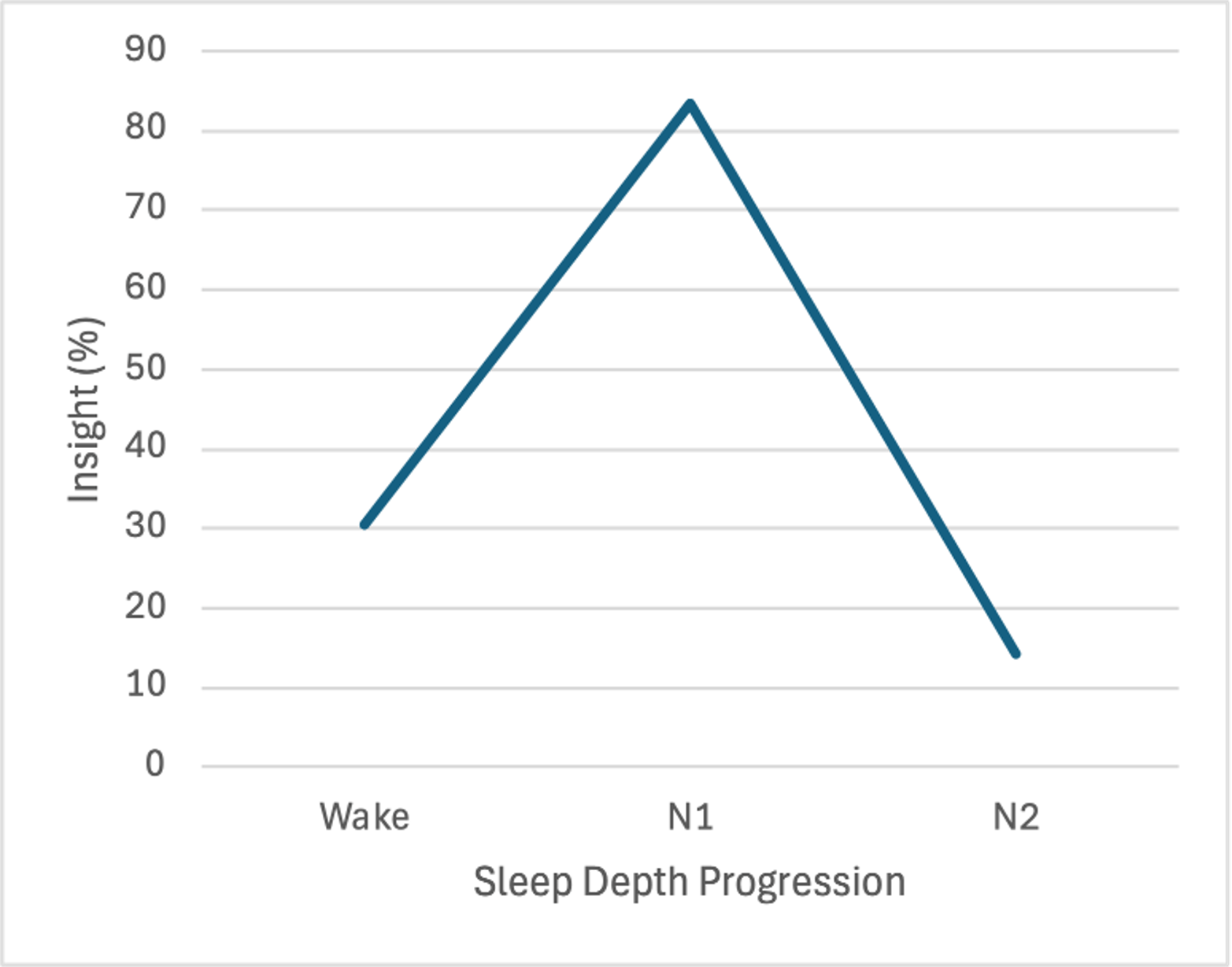 Figure 1. Insight Percentage Across States of Consciousness
Note: This figure demonstrates the percentage of insight across wakefulness, N1, and N2 states. Adapted from findings of Lacaux et al. (2021).
The pattern observed in Figure 1 can be interpreted through the Yerkes-Dodson law, which proposes that performance follows an inverted-U relationship with arousal, such that optimal performance emerges at intermediate levels of activation. When creativity is conceptualized as a form of cognitive performance dependent on both associative flexibility and executive regulation, the distribution of insight across sleep stages aligns with this framework. Wakefulness reflects a state of high cognitive control and externally oriented attention, supported by strong engagement of executive systems, which may constrain associative recombination despite high levels of goal-directed processing. In contrast, N2 sleep reflects reduced overall cognitive accessibility and diminished integration across neural systems, limiting the emergence and expression of insight despite reduced executive constraint. N1 sleep, or hypnagogia, appears to occupy an intermediate state characterized by reduced top-down executive control while maintaining sufficient neural and cognitive accessibility for associative integration. Neurophysiologically, this transition is associated with changes in thalamic gating and cortical dynamics, in which sensory filtering decreases and internally generated activity becomes more prominent (Magnin et al., 2010). This partial disengagement of the thalamus may reduce external interference while preserving enough cortical coherence to allow memory fragments and semantic associations to interact. This intermediate configuration may help explain the significantly higher proportion of insight observed in N1 compared to both wakefulness and deeper sleep stages, showing how hypnagogia represents a functional “sweet spot” of arousal for creative problem solving. However, the Yerkes-Dodson framework should be interpreted here as a descriptive analogy rather than a direct mechanistic account of sleep physiology or creativity. It keeps focus on highlighting the non-linear relationship between cognitive activation and performance, rather than providing a complete explanation of the underlying neural dynamics.
In contrast, lucid dreaming involves a partial reactivation of executive and metacognitive systems (Baird et al., 2019), introducing a goal-directed structure that may constrain associative exploration. Existing research on lucidity primarily demonstrates its capacity to support goal-directed cognition, such as the rehearsal and improvement of motor tasks within the dream state (Erlacher et al., 2010), rather than the generation of novel ideas. This suggests that lucid dreaming may contribute to creativity through a different mechanism, not by expanding associative space, but by enabling the manipulation and refinement of internally generated content. The presence of metacognitive awareness allows individuals to evaluate, modify, and stabilize representations within the dream, functions that are absent during hypnagogia. In this sense, lucid dreaming may serve as a controlled cognitive environment in which ideas produced under less constrained conditions can be explored and developed further.
 Figure 2. Relative Prefrontal Cortex Activation Across States of Consciousness
Note. This figure illustrates relative levels of prefrontal cortex activation across non-lucid REM sleep, lucid dreaming, and wakefulness. Values are normalized to reflect relative differences in executive activation reported in neuroimaging studies. Non-lucid REM is associated with reduced prefrontal activity, while lucid dreaming shows partial reactivation of executive regions, particularly in the dorsolateral prefrontal cortex, and wakefulness reflects the highest level of activation. Adapted from Baird et al. (2019) and Voss et al. (2009).
The intermediate level of prefrontal activation observed in lucid dreaming presents a partial restoration of executive control, supporting metacognitive awareness and intentional manipulation of dream content, while still preserving the internally generated and associative nature of the dream state. Using the dual-process model (Beaty et al., 2016), creativity depends on an interaction between DMN and ECN. The lucid state revolves around executive monitoring, evaluation, and constraint, reflecting a shift toward increased ECN management within REM sleep, meaning cognition becomes more structured and self-monitored even while dreaming continues. This places lucidity closer to the evaluation and manipulation of ideas, rather than initial idea formation.
While both hypnagogia and lucid dreaming appear to support creative cognition, the mechanisms through which they do so differ substantially, suggesting that each state may contribute to distinct phases of the creative process. They both involve internally generated cognition with reduced external input. The key difference is on how tightly control is coupled to associative flow. Hypnagogia is a decoupled system, in which associations run ahead of control, while lucidity is a recoupled system, where control re-engages and begins shaping such associations. Creativity emerges from instability, but requires partial stabilization. Cognitive instability can be introduced by hypnagogia, in a wide, unfocused associative spread, and aid ideas to shift rapidly, enabling insight. Then, partial stability can occur in the lucid state, where associations are explored, but within a maintained goal frame, maintaining a thread of thought long enough to manipulate it. Without hypnagogic instability, there is no novel generation of ideas, and without lucid stabilization, there is no usable outcome.
A Cross-State Framework for Creative Cognition
Creativity across the two analyzed states can be framed as a two-phase loop within internally generated cognition, with Phase 1 corresponding to hypnagogia, characterized by reduced constraint and expansion of idea space, and Phase 2 corresponding to lucid dreaming, in which partial constraint is reintroduced to enable the selection and transformation of insight. These phases are not strictly separate but partially overlapping and dynamically shifting. Too much of either state can be detrimental: prolonged hypnagogia may lead to loss of continuity, while excessive lucidity may constrain ideation with rigidity.
This two-phase account, however, remains incomplete as a model of creative cognition if hypnagogia and lucid dreaming are treated in isolation from the broader temporal arc of the sleep-wake cycle. A more complete account requires considering what happens to cognitive content as it moves across state boundaries, not only between hypnagogia and lucid dreaming, but through hypnopompia and into full wakefulness. Creativity may therefore be more precisely conceptualized as a cross-state feedback system rather than a sequence of discrete cognitive phases. In this view, ideas generated during hypnagogia are not fully resolved within that state but remain partially encoded and re-accessed during subsequent states of consciousness, including hypnopompic and waking cognition. Rather than functioning as isolated stages, these states form a continuous loop in which partially formed associative structures are repeatedly reactivated, reorganized, and evaluated across varying levels of executive control.
Within this framework, each state contributes a distinct cognitive function to the creative process. Hypnagogia provides the conditions for generative expansion, in which executive constraint is relaxed, semantic networks activate broadly, and remote associations become accessible that would not surface under full waking control. Lucid dreaming introduces partial stabilization, allowing the dreamer to hold a thread of thought, evaluate its structure, and manipulate its content without the full executive pressure of wakefulness. Hypnopompia provides a natural consolidation window: as executive systems re-engage gradually, loosely formed associations from earlier states remain accessible before being either integrated into more structured representations or lost entirely. Full wakefulness then permits deliberate evaluation, elaboration, and expression of whatever content has survived these transitions. Figure 3 illustrates these four states as an integrated curve, tracing the progression from generative loosening through stabilization, consolidation, and retrieval.
 Figure 3. Cross-State Creative Curve
Note. This figure illustrates four cognitive states examined in this paper: hypnagogia, lucid dreaming, hypnopompia, and wakefulness. It outlines the distinct cognitive characteristics associated with each state and their proposed roles within the creative process. By Naranjo (2026).
What makes this a system rather than a sequence is the role of memory persistence across state boundaries. The quality of creative output depends not only on what is generated in any given state, but on how well cognitive content is carried across transitions, a function influenced by sleep architecture, depth of sleep, and the individual’s capacity to recall hypnagogic and hypnopompic content. The framework therefore shifts the relevant unit of analysis from the state to the transition, and from the moment of generation to the extended temporal arc across which ideas are progressively shaped. Critically, this implies that creativity is not confined to a single optimal state but depends on the brain’s ability to maintain informational continuity across transitions between high-associative and high-executive modes of cognition.
Future Research & Limitations
Limitations in the methodology include an unequal distribution of empirical evidence. There are substantially more studies linking hypnagogia to creativity than there are for lucid dreaming. As a result, the evidence relies on indirect measures of creativity, including insight problem solving and post-sleep performance, alongside inferential reasoning for associative processes. In addition, there is a lack of standardized measures across studies, with semantic distance not being consistently used. This creates an asymmetry in the research, hypnagogia is supported primarily by behavioral creativity findings, whereas lucidity is supported by evidence related to neural activation and executive control, rather than creativity outcomes. Consequently, while the comparison presented in this paper is conceptually coherent, it lacks empirical evidence.
More broadly, current methods tend to capture the outputs of creative cognition rather than the underlying cognitive processes (Beaty et al., 2016; Beaty & Johnson, 2021). Creativity is typically inferred from task performance rather than directly measured in terms of associative structure or real-time cognitive dynamics. Furthermore, research often treats sleep-related states as discrete categories, such as wakefulness, N1, N2, and REM sleep. However, this overlooks a critical factor: direction of transition between states matters. Entering theta state from wakefulness, as in hypnagogia, may not be cognitively equivalent to emerging from deeper sleep into wakefulness, as in hypnopompia, despite similarities in phenomenology. Evidence provides insight on how different neural systems re-engage at different times after sleep, showing that awakening is a temporal unfolding process. These transitions may involve fundamentally different configurations of executive control and associative processing, suggesting that even similar neural signatures do not necessarily correspond to identical cognitive outcomes. Another limitation concerns the generalizability of findings. The cognitive effects of altered states may vary as a function of biological variability, including individual differences in sleep architecture and genetic predispositions, as well as physiological factors, such as cortisol rhythms and sleep deprivation, or sociocultural influences, including sleep practices and attitudes toward dreaming, becoming not only variables, but constraints on the applicability of findings across individuals and contexts.
Further research should address these gaps by expanding the scope beyond sleep onset and incorporating sleep offset states, particularly hypnopompia. Awakening from sleep involves a staged reactivation of brain systems, with early restoration of subcortical structures supporting consciousness, followed by delayed re-engagement of prefrontal regions associated with sustained alertness and executive control. In hypnopompia, the brainstem and thalamus contain an early consciousness return, while the prefrontal cortex remains inactivated until later restoration of awareness (Balkin et al., 2002). This temporal dissociation indicates that post-sleep cognition may operate in a transitional window where awareness is present but full executive control is not yet restored, a profile consistent with the proposed characteristics of hypnopompia. Conceptually, hypnopompia may represent a reverse transition in which executive control is re-engaged while internally generated, associative content remains accessible. This state may provide a natural mechanism for stabilizing and organizing ideas generated under less constrained conditions, without the abrupt loss of content that often occurs upon full awakening. In this sense, hypnopompia may complement hypnagogia by supporting an intermediate stage between generation and deliberate evaluation.
Future studies should directly compare entry into and exit from similar neural states. Within-subject experimental designs could examine the same participants across all states of consciousness, allowing for controlled comparisons of cognitive function. Measures would extend beyond behavioral outcomes to include associative distance, idea retention, and evaluative capacity, using tools such as semantic network analysis and rapid recall. Such approaches would help determine whether similar neural bands, such as theta activity, correspond to distinct cognitive processes depending on the direction of transition.
Advances in technology provide new opportunities for controlled induction and measurement of transitional states. The previously mentioned wearable dream incubation devices, such as Dormio wearable device, enable real-time interaction with sleep onset. However, such methods may not be widely accessible, making more scalable alternatives needed. One approach is AI-assisted dream journaling, which may facilitate pattern detection and semantic mapping of dream content over time without requiring specialized equipment. Rather than generating new ideas, this system functions as an external cognitive support, allowing individuals to record hypnagogic, lucid, and hypnopompic content shortly after it occurs, when it is still available for recall. Over time, AI-assisted journaling may support the identification of recurring patterns, thematic overlaps, and latent connections across entries that are not apparent in isolation. In this sense, it is functioning as augmented intelligence, not to introduce novel information, but to assist in filtering, structuring, and reconnecting self-generated material across temporal gaps. By linking content across different days and states of consciousness, these systems may help preserve associations that would otherwise be lost, supporting the integration of loosely connected ideas into more coherent representations. This process aligns with the broader framework proposed in this paper, in which creativity emerges not only from the generation of associations, but from their stabilization and reorganization over time.
Finally, the role of lucid dreaming in creativity remains conceptually undefined. While existing evidence supports its role in metacognitive control and task rehearsal, its contribution to creative cognition has not been directly tested. Future studies should examine whether lucid dreaming enhances the evaluation and manipulation of ideas by measuring both novelty and usefulness through semantic distance and coherence metrics. This would clarify whether lucidity contributes primarily to refinement rather than generation, as proposed in this paper. Overall, advancing the study of creativity requires moving beyond static categorizations of cognitive states and toward a framework that emphasizes transitions and temporal dynamics. Integrating sleep science with cognitive models may allow for the development of a temporally structured account of creativity, in which different states contribute distinct, but interdependent, cognitive functions across time.
Conclusion
The evidence reviewed in this paper points toward a reframing of creativity, not as a fixed capacity residing within individuals, but as a dynamic process distributed across shifting cognitive states. Across hypnagogia and lucid dreaming, distinct configurations of cognitive control and associative processing produce different conditions for creative thought: hypnagogia facilitates the generation of remote connections through reduced executive constraint, while lucid dreaming supports the manipulation and stabilization of internally generated content through partial metacognitive reactivation. Rather than identifying a single optimal state, the findings support a complementary relationship between these conditions, one that extends further when hypnopompia and wakefulness are included, forming a cross-state system in which partially formed representations are carried, transformed, and refined across shifting levels of cognitive control. This perspective challenges trait-based accounts of creativity by locating creative capacity not in a fixed property of the individual, but in the brain’s ability to coordinate the right cognitive conditions at the right time.
Acknowledgements
I would like to thank Professor Michael Devoley for his dedication, support, and guidance throughout this project. His insight and consistent involvement were instrumental in bringing this work to completion. I am also grateful to Professor Michael Maningas for his oversight of the project, which provided the foundation for this work. I too appreciate Freddy Ruiz’s help providing articles and ideas that contributed to the development of this project. Finally, I want to thank my family for always encouraging me to pursue my goals, and my friends for their support throughout the entire process.
References
Baird, B., Mota-Rolim, S. A., & Dresler, M. (2019). The cognitive neuroscience of lucid dreaming. Neuroscience & Biobehavioral Reviews, 100(100), 305–323. https://doi.org/10.1016/j.neubiorev.2019.03.008
Beaty, R. E., Benedek, M., Silvia, P. J., & Schacter, D. L. (2016). Creative Cognition and Brain Network Dynamics. Trends in cognitive sciences, 20(2), 87–95. https://doi.org/10.1016/j.tics.2015.10.004
Beaty, R. E., & Johnson, D. R. (2021). Automating creativity assessment with SemDis: An open platform for computing semantic distance. Behavior research methods, 53(2), 757–780. https://doi.org/10.3758/s13428-020-01453-w
Bellaiche, L., Haar Horowitz, A., McClay, M., Bottary, R., Denis, D., Chen, C., Maes, P., & Seli, P. (2024). Targeted dream incubation at a distance: the development of a remote and sensor-free tool for incubating hypnagogic dreams and mind-wandering. Frontiers in sleep, 3, 1258345. https://doi.org/10.3389/frsle.2024.1258345
Erlacher, D., & Schredl, M. (2010). Practicing a Motor Task in a Lucid Dream Enhances Subsequent Performance: A Pilot Study. The Sport Psychologist, 24(2), 157–167. https://doi.org/10.1123/tsp.24.2.157
Ghibellini, R., & Meier, B. (2023). The hypnagogic state: A brief update. Journal of sleep research, 32(1), e13719. https://doi.org/10.1111/jsr.13719
Haar Horowitz, A., Cunningham, T. J., Maes, P., & Stickgold, R. (2020). Dormio: A targeted dream incubation device. Consciousness and cognition, 83, 102938. https://doi.org/10.1016/j.concog.2020.102938
Haar Horowitz, A., Esfahany, K., Vega Gálvez, T., Maes, P., & Stickgold , R. (2023). Targeted dream incubation at sleep onset increases post-sleep creative performance. Scientific Reports, 13(1), 1–16. https://doi.org/10.1038/s41598-023-31361-w
Herault, C., Ovando-Tellez, M., Izabela Lebuda, Kenett, Y. N., Benoit Beranger, Benedek, M., & Volle, E. (2024). Creative connections: the neural correlates of semantic relatedness are associated with creativity. Communications Biology, 7(1). https://doi.org/10.1038/s42003-024-06493-y
Lacaux, C., Andrillon, T., Bastoul, C., Idir, Y., Fonteix-Galet, A., Arnulf, I., & Oudiette, D. (2021). Sleep onset is a creative sweet spot. Science advances, 7(50), eabj5866. https://doi.org/10.1126/sciadv.abj5866
Magnin, M., Rey, M., Bastuji, H., Guillemant, P., Mauguière, F., & Garcia-Larrea, L. (2010). Thalamic deactivation at sleep onset precedes that of the cerebral cortex in humans. Proceedings of the National Academy of Sciences of the United States of America, 107(8), 3829–3833. https://doi.org/10.1073/pnas.0909710107
Press, D. D., Cosmelli, D., & Kaufman, J. C. (Eds.). (2020). Creativity and the wandering mind: Spontaneous and controlled cognition. Elsevier Academic Press. https://doi.org/10.1016/B978-0-12-816400-6.02006-X
Voss, U., Holzmann, R., Tuin, I., & Hobson, J. A. (2009). Lucid dreaming: a state of consciousness with features of both waking and non-lucid dreaming. Sleep, 32(9), 1191–1200. https://doi.org/10.1093/sleep/32.9.1191

